FAMILY MEDIA PUBLIC SAFETY
El Niño Is Coming: Is Your Family Prepared?
Do not panic—but do not ignore the warning. Practical steps can help your family prepare for unusually heavy rain, flooding and disruption.
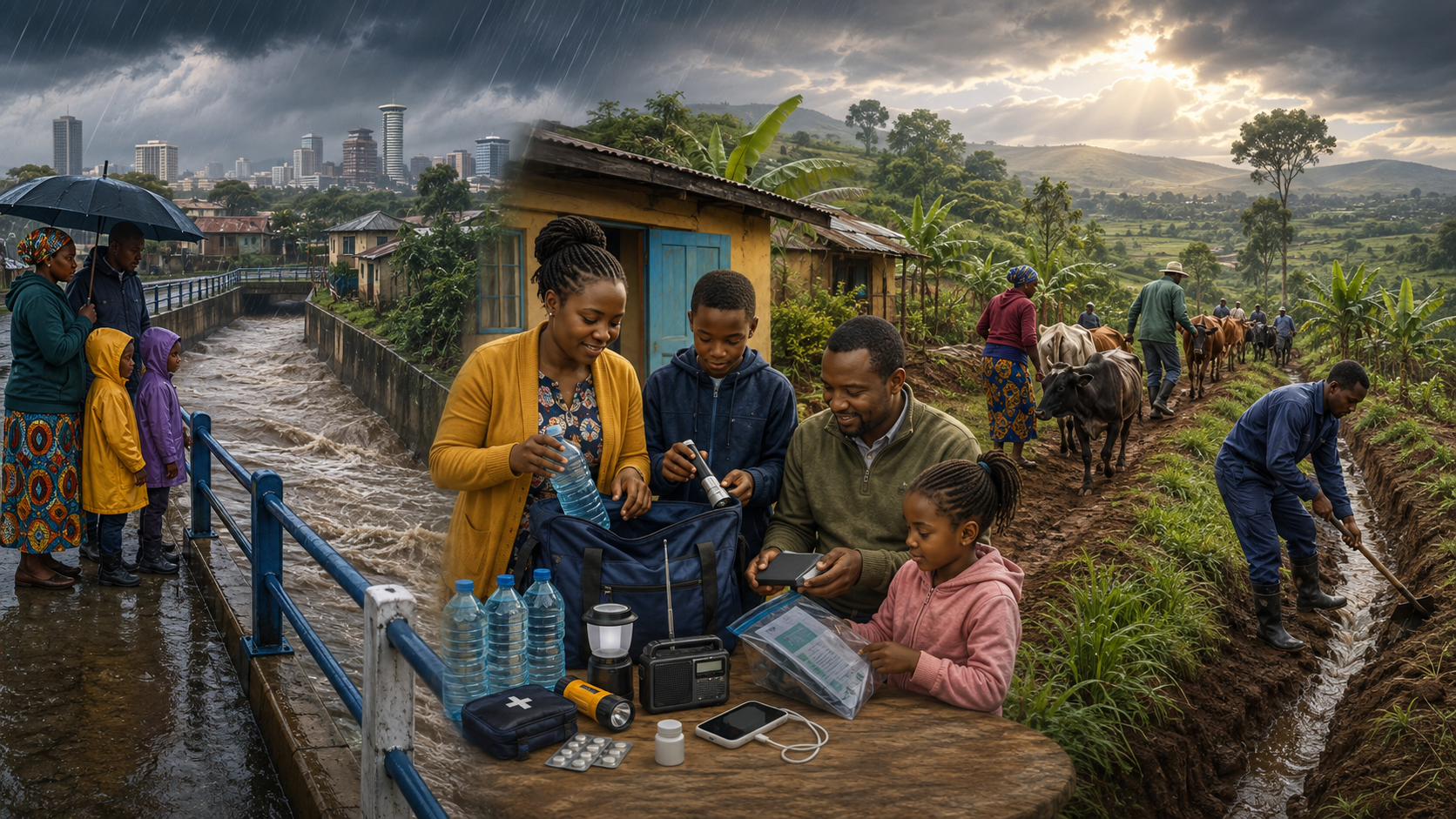
Kenya’s latest seasonal outlook warns that the strengthening El Niño could bring above-average rainfall to much of the country during the October-to-December 2026 short-rains season.
This may cause flooding, landslides, disease, damage to homes and farms, and disruption to roads and electricity.
What Is El Niño?
El Niño is a natural climate pattern caused by unusual warming in parts of the Pacific Ocean. Although the Pacific is far from Kenya, this can alter weather around the world. In East Africa, El Niño is often associated with heavier rainfall, especially during the October-to-December season—but it does not affect every county in the same way.
Protect Yourself From Floods
Flash floods can arrive suddenly, sometimes because rain has fallen far upstream. People near rivers, dams, drainage channels and low-lying land face particular danger.
- Move to higher ground early.
- Keep children away from floodwater.
- Obey evacuation instructions.
- Never cross a flooded road or bridge.
Watch for Landslides
Warning signs may include new cracks in soil or walls, leaning trees or poles, moving stones, doors suddenly jamming, or unusual sounds from the ground. Leave immediately, warn neighbours and alert local authorities.
Prepare Your Home
- Clear gutters and drainage channels.
- Repair weak roofs and trim dangerous branches.
- Raise appliances and important belongings.
- Secure water tanks and outdoor items.
- Keep phones and power banks charged.
Prevent Disease
- Never drink floodwater.
- Boil or correctly treat doubtful water.
- Wash hands with soap and cover food.
- Remove stagnant water and use mosquito nets.
- Seek help for severe diarrhoea, vomiting, fever or dehydration.
Prepare One Family Emergency Bag
- Safe drinking water and non-perishable food
- Essential medicines and first-aid supplies
- Torch, spare batteries and a battery-powered radio
- Charged power bank and whistle
- Warm clothing or a blanket
- Sanitary products
- Waterproof copies of identification and prescriptions
- Important contacts and emergency cash
Keep the bag where everyone can find it. Kenya’s national emergency numbers include 999 and 112.
Make a Family Evacuation Plan
- Choose a safe meeting place on higher ground.
- Decide who will collect the children.
- Plan how to assist older people, sick relatives and people with disabilities.
- Choose one contact person family members can call if separated.
Protect Farms and Livestock
Follow county agricultural and weather advice rather than relying only on the traditional calendar. Protect seed, fertilizer, animal feed, medicines and records from moisture. Improve drainage without causing erosion, harvest mature crops early when severe rain is forecast, and move animals away from rivers and seasonal watercourses before flooding begins.
In dry counties, repair storage tanks and collect rainfall safely. El Niño does not guarantee sufficient or reliable rain everywhere.
Be Careful on the Road
Reduce speed in heavy rain. Poor visibility, longer braking distances and hidden potholes make driving dangerous. Never cross water simply because another vehicle managed to do so. Do not park beneath large trees, unstable walls, billboards or electricity poles.
Communities Must Prepare Together
Churches, schools, chiefs, village elders and community groups should identify high-risk homes, safe evacuation routes, temporary shelters, available vehicles and people who may need assistance. Check on neighbours who live alone.
“The prudent see danger and take refuge, but the simple keep going and pay the penalty.” — Proverbs 22:3
Preparation Today Could Save a Life Tomorrow
Pray, prepare, follow reliable information and look after one another.
For current warnings, consult the Kenya Meteorological Service Authority ↗ and the World Meteorological Organization ↗.